You created something great—protect it with the #1 brand in online IP protection
You created something great—protect it with the #1 brand in online IP protection
Trademark registration
Trademark registration
Get exclusive rights to a name, symbol, or slogan that distinguishes your business.
Learn more
Copyright registration
Copyright registration
Keep others from using and profiting from your book, article, song, photo, art, etc.
Learn more
Provisional patent application
Provisional patent application
If you're not ready to file for a utility patent, buy time and get "patent pending" status.
Learn more
Design patent
Design patent
Prevent others from using your unique product design without your permission.
Learn more
Protect your work. Secure your brand.
Backed by 15+ years of IP experience.
Edgar has been super helpful in explaining trademark and how it works.
Edgar has been super helpful in explaining the trademark process so I can understand how it can help my business. He was patient and answered all my questions during our conversation and even guided me in completing my trademark application.

Confident First-Time Filing
The process was clearly explained, and all of my questions were answered. I feel confident about the next steps, which I appreciated as first-time trademark filer.
Safe Transaction / Easy Process / Document Privacy / Security / Professional Staff / Nominal Cost / Great Experience!
I have been amazed at the seamless process that Legalzoom offers to clients, while helping you for a nominal fee. I experienced the "$49.00 Trademark "Deals" on the internet & had trouble with them ... The LegalZoom organization has been impressive ... 2-Design Patents and 1-Trademark Later.. 5-Stars! ... Mark Las Vegas, NV USA
I was so impressed with Juan's…
I was so impressed with Juan's step-by-step guidance! It made the trademark process so digestible and easy. He answered any question that came up and made something I was dreading go by quickly and easily.
Jose is the best.
Jose was very friendly and knowledgeable. He was able to answer my questions and provide me information of next steps to secure my trademark.
The knowledge the agent possessed was…
The knowledge the agent possessed was super beneficial to rectify the situation I was having with my trademark. Very professional!
Trademark work is great and effecient
Edit from my previous feedback and why i decided to give them 5stars they deserved: LegalZoom's support team was excellent—they addressed my concerns promptly and delivered a great outcome. I truly appreciate their help and want to give a shout-out for an outstanding customer service experience.
Thanks for being so helpful in the…
Thanks for being so helpful in the assist of getting my Trademark filed. -Patrick
Kevin was able to help me understand…
Kevin was able to help me understand the process needed for filing a trademark. He was clear in his answers and stayed on the phone to help walk through the onboarding.
Excellent Serviceed them for a trademark application
Used them for a trademark application. Excellent service. Knowledgeable staff. I would absolutely use them again. Probably save thousands by going through them.
Great follow through customer service
Great follow through customer service, that left me feeling highly confident in the accuracy of my Copyright processing with LegalZoom. Thank you LegalZoom for hiring and retaining customers that show they care in how they handle my important matters. Thank you once again!
Hector was wonderful
Hector was wonderful. He was patient and helped me through the process of copyright. He was friendly knowledgeable and had a good sense of humor.
Care and speed
I didn't know how to complete a copyright submission and chat support helped me right away to solve the prolem and complete the submission in about 5 mins.
Legal Zoom Rocks
Michelle Rodriguez is not only a Star in your team but a kind, generous thoughtful and efficient person. I know Michelle will solve my problem and handle my new Copyright request with excellence. Once again Legal Zoom Rocks!
Tamika is warm, smart, and effective.
Tamika is warm, knowledgeable, and effective. She answered all of my questions about taking the necessary steps to get a copyright on a song that I wrote and performed. I hope to work with Tamika in the future on this musical project. Sincerely, Rosemarie Mattke
Obtaining a Copyright
I had some questions about copyright, and he answered all of them. He was pleasant to talk to very professional. I was very pleased. I've been using legalzoom for many years, and I love you guys. Thank you.
Happy customer
Ms. Green, was very helpful in assisting me step-by-step in guiding through the process in getting my copyright application. She was patient and very polite. She offered to follow-up on my completed, make sure the process was successful.
Superior Customer Service
Superior customer service and expertise from Patti Green. I have a urgent need for an attorney consultation regarding state level copyright law. Ms. Green quickly and seamlessly steered me to the plan which affords this service. The consult was immediately scheduled for the next day. To say the least, this experience was exemplary.
Copyright registration
Karen helped me immensely during my copyright registration. Very patient. Carrie was alos very good over there.
So far whenever I have tried to work…
So far whenever I have tried to work with Legal Zoom it has been a great experience. Both Holly and Denise have helped to make my tour of the legal process for a copyright excellent and I now have my copyright in my hands. I might add that I am amazed I got it under the oligarchy at all after doge got done.
Great Copyright Registration Experience
Walked me through the process to register my copyright. Made everything quick and easy!
Your expertise and knowledge of my…
Your expertise and knowledge of my questions regarding my copyright I applied for was nothing less than stellar!
Jona was Awesome!
Jona was Awesome! Thank you so much for helping me understand the process! I am so glad I went with Legal Zoom for my patent process.
Thank you Maria for walking me through…
Thank you Maria for walking me through the patent filing process requirement and step by step walkthrough.
Safe Transaction / Easy Process / Document Privacy / Security / Professional Staff / Nominal Cost / Great Experience!
I have been amazed at the seamless process that Legalzoom offers to clients, while helping you for a nominal fee. I experienced the "$49.00 Trademark "Deals" on the internet & had trouble with them ... The LegalZoom organization has been impressive ... 2-Design Patents and 1-Trademark Later.. 5-Stars! ... Mark Las Vegas, NV USA
Short wait time to get through to a…
Short wait time to get through to a representative who listened and answered my questions calmly and thoroughly, so I could make an educated choice on the patent package options.
This is my 2nd provisional patent with…
This is my 2nd provisional patent with Legal ZOOM. This time I dealt with Mak Champ he was Great, went out of his way to make it as easy as possible. Thank You
Great Experience with LegalZoom
My experience in submitting a Provisional Patent Application has gone very smoothly so far. Customer Service and Support was very prompt and answered all my questions very quickly. I highly recommend Legal Zoom.
Sandra helped me make the additional…
Sandra helped me make the additional orders on my account for the patent information. She helped me on everything I asked for. Thank you for making a difficult process much easier. thnx.
Tiffany was patient,professional and thoughtfully thorough!
Tiffany was patient, professional and thoughtfully thorough in her assisting me through procedures involving my patent processing!!
Professional and Kind
Carrie was extremely helpful in answering my general questions regarding the trademark and provisional patent application process and fees. She was clear and succinct while maintaining a level of kindness and understanding of my needs. She provided the exact information I needed, saving me time and effort in researching via other routes. Thank you!

Showing selected reviews
Not sure what you need?

Trademark, copyright, and patent: what's the difference?
We know intellectual property protection can seem complicated. We're here to make it simple.
Get the right intellectual property protection
Trademark

A name, slogan, or logo that distinguishes your product or service from competitors.



Start my trademark
Copyright

Keep your original creative work from being used without your consent.

Books

Songs

Photos

Art

Films

Articles

Software

and more
Start my copyright
Patent

Protects how your invention works, or the way your product looks.
Choose the one you need

Provisional patent application
Provisional patent application
If you're not ready to file a formal patent application, buy time and get "patent pending" status.
Learn more
Utility patent
Utility patent
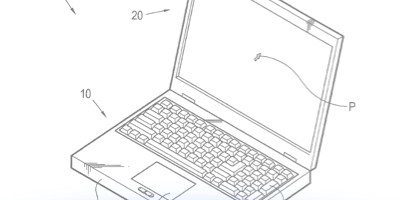
Prevent others from making, using, or selling your invention without your permission.
Learn more

Design patent
Design patent
Protect the unique look of your product or invention, and make sure others can't copy it.
Learn more
Frequently asked questions
What's the difference between a copyright and a trademark?
Copyrights protect original creative works, including books, movies, songs, paintings, photos, web content, and choreography. Trademarks protect business and product names, slogans, and logos to help customers tell brands apart.
What are the benefits of registering your trademark?
When you register your trademark, you get strong nationwide protection, and the right to file a federal lawsuit against anyone who copies it.
What's the difference between the ™ symbol and the ® symbol?
Anyone can use the ™ symbol on their trademark, but it doesn't protect it. The ® symbol means your mark is registered with the United States Patent and Trademark Office (USPTO), giving you all the legal protections that come with it.
What's the difference between a utility patent and a design patent?
A utility patent protects how an invention works. A design patent protects how a product looks. Some inventions may qualify for design and utility patent protection, if both the design and the function are unique, and the design doesn't affect the function.
What does a provisional patent application do?
A provisional patent application protects your rights to your invention for up to a year, giving you time to perfect it and/or complete your application for a utility patent. It essentially holds your place in line with the USPTO.
Meet our customers

AGN Roots
"For us, we value partners that can turn complicated processes like submitting a trademark application to the USPTO into simple and intuitive workflows, LegalZoom does exactly that."
Adam Sisler, do-it-yourself trademark registration
Cavere
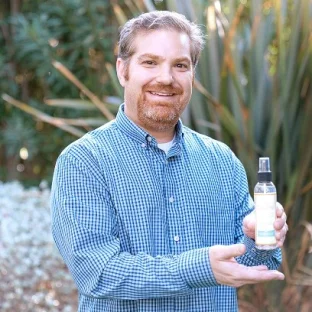
"LegalZoom was the one-stop solution for all of my business startup needs. They helped me quickly form my company so I could launch Cavere on Amazon in just three months! The trademark application process in particular was simple to complete. I am at peace knowing that my new brand is protected thanks to LegalZoom!"
Christopher Winston, attorney-led trademark registration customer

John B.
"LegalZoom made my experience easy and simple. Which you need when working on a third and fourth book. LegalZoom gives clear answers and the confidence that you have been heard and your work is protected. Don't trust those websites that promise cheaper services that seem to always need more information. LegalZoom provides what everyone is looking for, Peace of Mind!"
John Bonnell, copyright customer
Questions?


Call an agent at
Sat–Sun 7 am–4 pm PT