It’s National Make-A-Will Month, And Most Americans Still Haven’t Made One
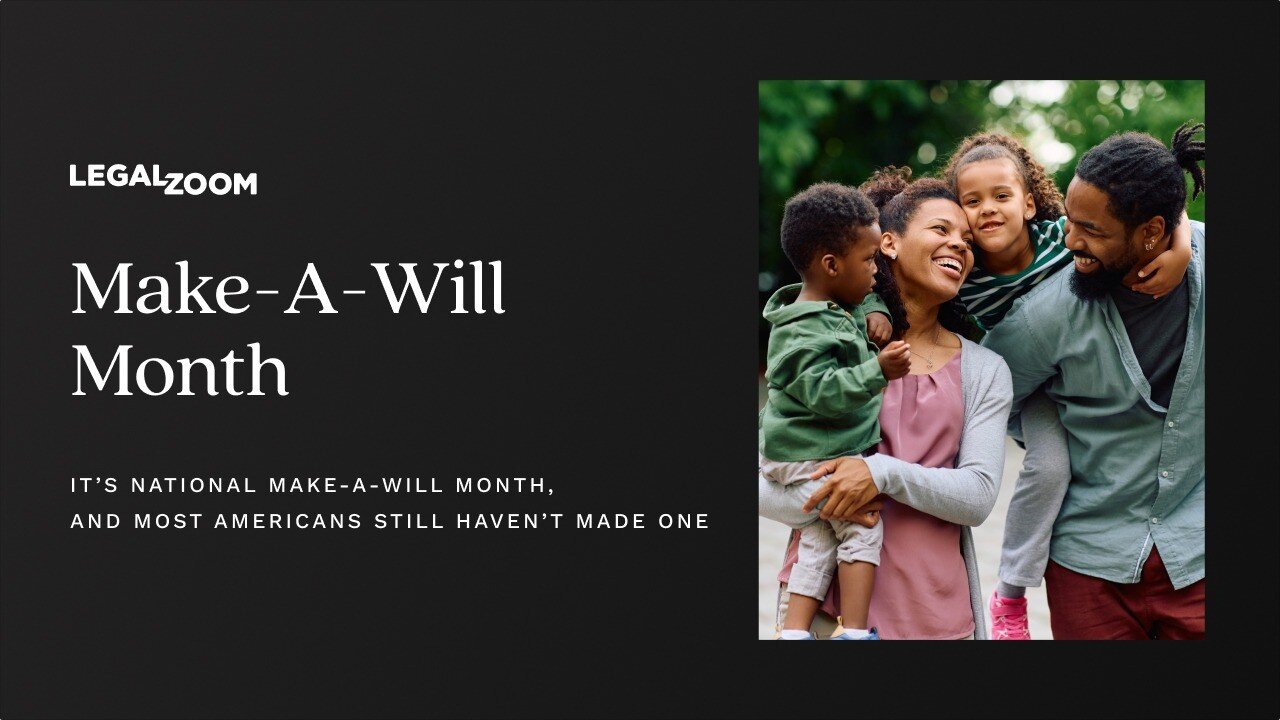

August is National Make-A-Will Month; the perfect reminder to think about your estate plan and how you want your assets, values and responsibilities passed on after you’re gone. If you’re like most people, estate planning isn’t exactly top of mind. LegalZoom’s new national survey of 2,500 U.S. adults found that while over 70% of Americans say passing on an inheritance is important, only about 1 in 3 actually have a will or estate plan in place. Among younger Americans (ages 18–44), that number drops to just 13%.
The disconnect is striking. Many people plan to leave something behind, yet most haven’t taken the basic step of writing down their wishes. Without a plan, the state you live in decides who gets what, and their plan likely isn’t the same as yours.
Why your will matters more than you think
Every state has default rules for distributing assets when someone dies without a will. Typically, they prioritize your closest relatives: spouse first, followed by kids, parents, siblings and so on.
But what if that’s not how you want your possessions divided? Maybe you’ve had a falling out with your brother, and you don’t want him to inherit anything. Maybe you have a blended family, and you want to provide for your stepchildren. Maybe there’s a good friend you want to include or a beloved charitable organization you want to make a final gift to. Without an estate plan, you can’t do any of that. Instead, the state law decides who gets what.
If you have kids, having a will or trust is even more important. Especially if you and your spouse pass away and a guardian needs to be appointed. If your children are young, assigning a guardian gives you peace of mind, as you know your kids will be cared for by someone you trust after you’re gone. The decision won’t be left to a court’s best guess. Trust me, as a parent, this one hits home. My wife and I had a lot of back-and-forth before deciding who we’d want to raise our children.
It’s not just for the wealthy
One of the most common reasons people skip estate planning is thinking they don’t have “enough” to justify it. Our survey found 34% of younger Americans without a will say they don’t currently have assets to leave, and 31% think they don’t need one yet. But estate planning isn’t just about property and investments, it’s also about planning for incapacity.
If you’re in an accident or unable to make decisions for yourself, who will manage your finances? Who will speak for you in medical situations? Without documents like a power of attorney or advance healthcare directive, loved ones may be forced into court to get the authority to help you.
The confidence gap
Our survey revealed that only 7% of younger Americans and 13% of older Americans feel “very confident” in their financial situation — yet many still expect to pass on something meaningful. In fact, nearly 70% of both age groups say they’re likely to leave an inheritance.
The trouble is, more than half of Americans haven’t had any conversation with family about their estate plans, and nearly 70% haven’t taken any steps to reduce the tax burden on what they might leave behind. That silence and lack of planning can lead to confusion, conflict, and unnecessary costs later.
Barriers (and how technology removes them)
Cost and complexity are big deterrents. Traditionally, an estate plan will could cost thousands of dollars and require multiple office visits with an attorney. Add in the discomfort of talking about death, and it’s easy to see why people procrastinate.
But today, online legal services make it possible to create a will in under 30 minutes from the comfort of home, for a fraction of the traditional cost. You answer guided questions, instantly receive your documents, and can download, sign, and notarize them the same day.
Why now is the time
Americans are projected to transfer more than $124 trillion to heirs and beneficiaries by 2048. Without clear plans, that wealth transfer risks being slowed, reduced by taxes, or diverted by court decisions.
This National Make-A-Will Month, take a small step now to protect the people and causes you care about. You’ll save your loved ones from confusion, conflict, and added expense — and you’ll gain peace of mind knowing your wishes are documented.
Life is unpredictable. Your legacy doesn’t have to be.
'%20/%3e%3c/svg%3e)

'%3e%3cpath%20fill-rule='evenodd'%20clip-rule='evenodd'%20d='M9.31239%2025.5316H13.0679V14.1032H9.31239V25.5316ZM11.1913%208.46875C9.93945%208.46875%209%209.25086%209%2010.505C9%2011.5995%209.78211%2012.5389%2011.1913%2012.5389C12.6005%2012.5389%2013.3826%2011.5995%2013.3826%2010.505C13.3826%209.4082%2012.6005%208.46875%2011.1913%208.46875ZM27%2018.9577V25.5316H23.2445V19.4275C23.2445%2017.8609%2022.6174%2016.7664%2021.3679%2016.7664C20.2711%2016.7664%2019.644%2017.5463%2019.3316%2018.1756C19.1743%2018.488%2019.1743%2018.8004%2019.1743%2019.1128V25.5316H15.4165V13.9458H19.1743V15.5123C19.644%2014.7302%2020.5835%2013.6357%2022.6174%2013.6357C25.1234%2013.7908%2027%2015.3573%2027%2018.9577Z'%20fill='white'/%3e%3c/g%3e%3cdefs%3e%3cclipPath%20id='clip0_952_9489'%3e%3crect%20width='18'%20height='18'%20fill='white'%20transform='translate(9%208)'/%3e%3c/clipPath%3e%3c/defs%3e%3c/svg%3e)

Related Content


Why Writing a Will Is the Most Human Thing You Can Do (And Why It Still Requires a Human to Help)
August 14, 2025

Wills and Trusts: Definitions, Differences, and Essential Estate Planning Terms
January 12, 2026
Contact us
For media inquiries, call us at (213) 371-6260 or email at press@legalzoom.com.
